

Wapping Mine and Cumberland Cavern are two of Matlock’s most intriguing underground sites — a maze of old mining passages, natural chambers, and hidden geological features carved out over centuries. For anyone interested in Derbyshire’s mining heritage or looking for a more adventurous day out, these connected systems offer a challenging and rewarding exploration beneath the hills of Matlock Bath.
The History Behind Wapping Mine
Wapping Mine dates back to the 18th century, when miners first worked the vein known as Moletrap Rake for galena (lead ore). The mine was later reopened in the 1920s and 1950s for fluorspar, expanding into a sprawling area known as The Maze — a labyrinth of tunnels, pockets, and chambers.
As you move through the mine, you’ll encounter:
- Roadways and crosscuts
- Stopes and winzes
- Ore chutes and sumps
- Pillars and supports left by miners
- Remnants of old tools and equipment
The entrance sits near Masson Mills weir and leads into a long adit that runs west along the rake. From there, the mine branches into multiple levels and features.
The Incline Level: A Test of Nerves and Fitness
One of the most memorable parts of Wapping Mine is the Incline Level, a steep, muddy, 45‑degree tunnel driven in the 1950s. It was originally an attempt to intersect the vein from the Main Stope, but today it’s a favourite challenge for experienced explorers.
Expect:
- Crawling and squeezing
- Slippery, wet surfaces
- Tight spaces
- A demanding 100‑metre ascent or descent
At the end of the Incline Level, you can either return to the main adit or continue upward into the High Level.
Cumberland Cavern: From Mine to Show Cave
Above Wapping Mine lies Cumberland Cavern, once known as Cumberland Mine. Like Wapping, it was originally worked for lead, but later became a show cave in the late 18th century — even visited by Queen Victoria.
Two main connections link the cavern to Wapping Mine:
- Funnel Cave (from the Fourth Stope)
- Devil’s Pit (leading into The Maze)
Inside Cumberland Cavern, you’ll find:
- Natural chambers enlarged by mining
- Stalactites, stalagmites, and flowstone formations
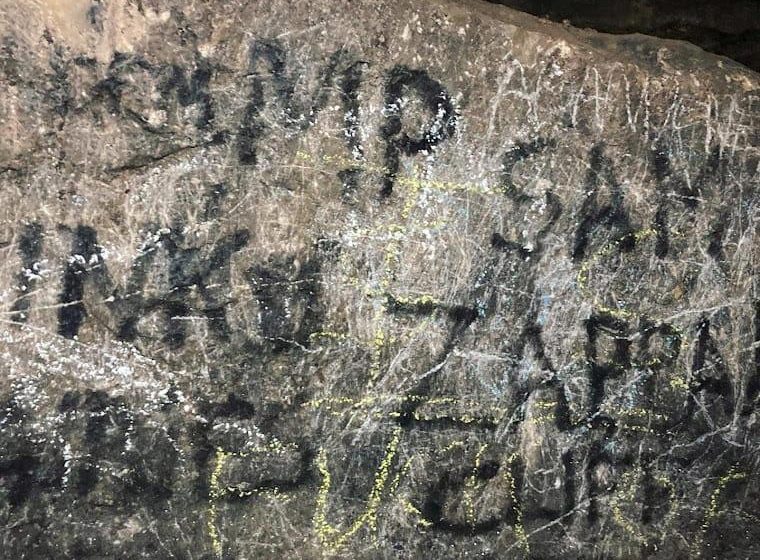
- Historic graffiti left by “The Troggs” in the 1960s–70s
- Atmospheric tunnels and echoing voids
It’s a fascinating blend of natural geology and industrial history.
Safety and Equipment: What You Need to Know
Wapping Mine and Cumberland Cavern are not tourist attractions — they are genuine underground environments with real risks. Proper preparation is essential.
Recommended equipment includes:
- Helmet with mounted light
- Sturdy boots with good grip
- Gloves
- Warm, durable clothing
- Spare clothes for after the trip
- Rope or webbing for safety
- A partner or group — never go alone
You should also check access details with local caving or mining groups before visiting. These sites are unsuitable for children, inexperienced explorers, or anyone with claustrophobia or health concerns.
Why These Mines Are Worth Exploring
For those with the right skills and equipment, Wapping Mine and Cumberland Cavern offer:
- A rare look into Derbyshire’s mining heritage
- Unique geological formations
- Challenging routes for experienced cavers
- A sense of adventure you won’t find on the surface
They’re a reminder of the region’s industrial past and the hidden world beneath the Peak District landscape.
Guided Tours
If you want to explore these mines safely and learn more about their history and geology, guided tours are available. A professional guide can provide equipment, safety briefings, and access to the most interesting features of both systems.
Tours typically last around three hours and offer a memorable underground experience.
Useful Resources
- mindat.org — geological and mining information
- Local caving groups for access updates and safety advice